
Gardening for Anxiety: A Simple Grounding Technique to Calm Your Nervous System
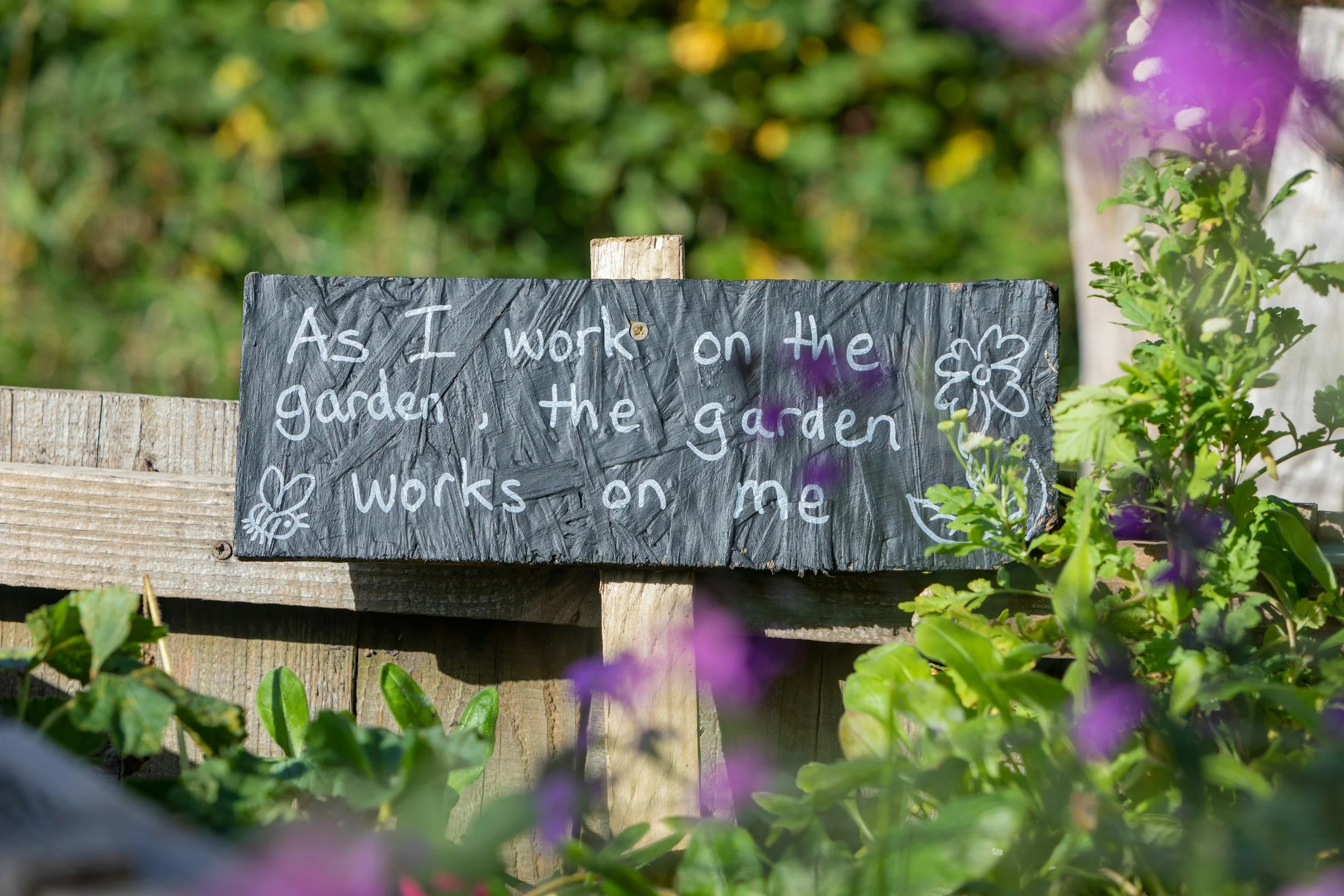
If you’ve been feeling overwhelmed, stuck in your racing thoughts, or constantly “on edge,” lately, you’re not alone. There’s a lot going on in the world right now, and probably in own your life that can increase feeling sof anxiety.
Anxiety can pull you out of the present moment and into a spiral of worry, especially during seasons of life that already feel demanding like pregnancy, postpartum, or early motherhood.
One surprisingly effective (and often overlooked) way to manage anxiety is gardening.
You don’t need a perfect backyard or a green thumb. What you do need is an activity that naturally supports something your nervous system is craving: grounding. Whether you have access to a space in your yard, a few pots on your balcony or patio, or you have a houseplant, you can use these spaces to try gardening to ground.
Why Grounding Helps Anxiety
When anxiety rises, your nervous system shifts into a state of high alert. You might notice your thoughts racing, muscle tension, feeling irritable, or an underlying sense of urgency that doesn’t go away.
Grounding techniques for anxiety work by bringing your attention back to the present moment—out of your thoughts and into your body.
Grounding helps:
Regulate your nervous system
Reduce stress hormones
Increase feelings of calm and safety
Interrupt anxious thought patterns
And this is exactly where gardening becomes a little powerhouse activity.
How Gardening Reduces Anxiety
Gardening engages your senses in a way that gently anchors you to the present moment. It’s a form of active mindfulness, which can feel more accessible than sitting still and trying to meditate, especially if your mind is busy.
Here’s how it works:
1. Sensory Connection Grounds the Body
Touching soil, feeling leaves, and smelling plants are these sensory experiences help shift your awareness out of your thoughts and into your body.
2. Repetitive Movement Regulates the Nervous System
Simple actions like watering, digging, or pruning create a calming rhythm that signals safety to your brain.
3. Nature Exposure Lowers Stress
Spending time outside, even for just a few minutes has been shown to reduce stress and improve mood.
4. Slowing Down Counters Anxiety
Gardening invites patience. Growth takes time and being part of that process can quietly challenge the urgency anxiety creates.
Gardening as a Grounding Practice (Even If You’re Busy)
You don’t need a large garden or a lot of time. In fact, small, consistent moments are often the most effective.
In your garden space, try this simple grounding practice:
Step 1: Engage your senses
Touch and notice the texture of the soil
Feel the temperature of the air
Observe colors and movement around you
Step 2: Slow your breath
Inhale deeply through your nose
Exhale slowly through your mouth
Repeat for a few cycles while you’re outside
Step 3: Anchor your attention
Name:
5 things you can see
4 things you can feel
3 things you can hear
This combines gardening with a classic grounding exercise for anxiety.
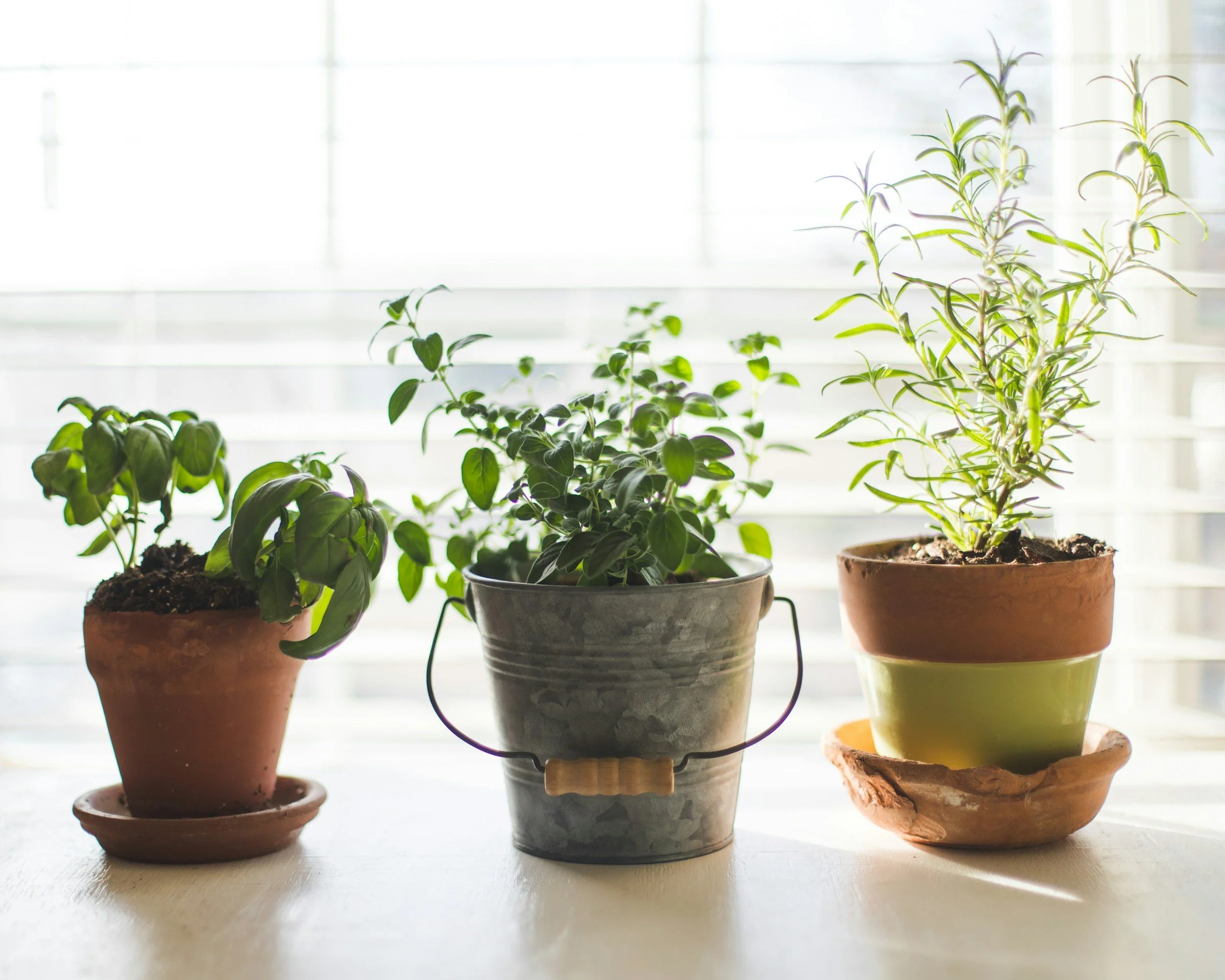
No Garden? No Problem.
You can still experience the benefits of gardening in simple ways:
Caring for a single indoor plant
Watering herbs on your kitchen windowsill
Stepping outside and tending to a small pot
Visiting a local park and interacting with nature
The goal isn’t perfection. It’s intention and connection to the world around you.
Why This Matters for Moms (Especially Postpartum)
For many women in the perinatal season, anxiety can feel constant and hard to manage. Traditional self-care (like long breaks or quiet time) isn’t always realistic or accessible in this season for lots of reasons.
Gardening offers something different:
It’s flexible and low-pressure. Start with a $1 seed packet or $ Trader Joes houseplant.
It can include your baby or children. Get everyone outside for a few minutes.
It supports regulation without needing “extra time.” Put your pot or gardening plot somewhere your kids already play!
It creates small moments of calm in the middle of real life
These small moments add up and over time, can make a meaningful difference in how you feel.
A Gentle Reminder
Grounding doesn’t always look like sitting still or clearing your mind.
Sometimes, it looks like:
Stepping outside for a few minutes
Getting your hands in the dirt
Taking one slow breath while you water a plant
Sometimes, healing looks like getting your hands a little dirty.
Looking for More Support?
If you’re navigating anxiety during pregnancy or postpartum, you don’t have to do it alone. Therapy can help you understand your nervous system, develop coping tools, and feel more like yourself again. I offer support for San Diego Moms and parents in California who are feeling overwhelmed and stuck.